Safety parts in copy boxes
Brake pads or steering parts are sold in a copy of a well-known brand's box. When the box looks right, the mechanic fits the part without question.


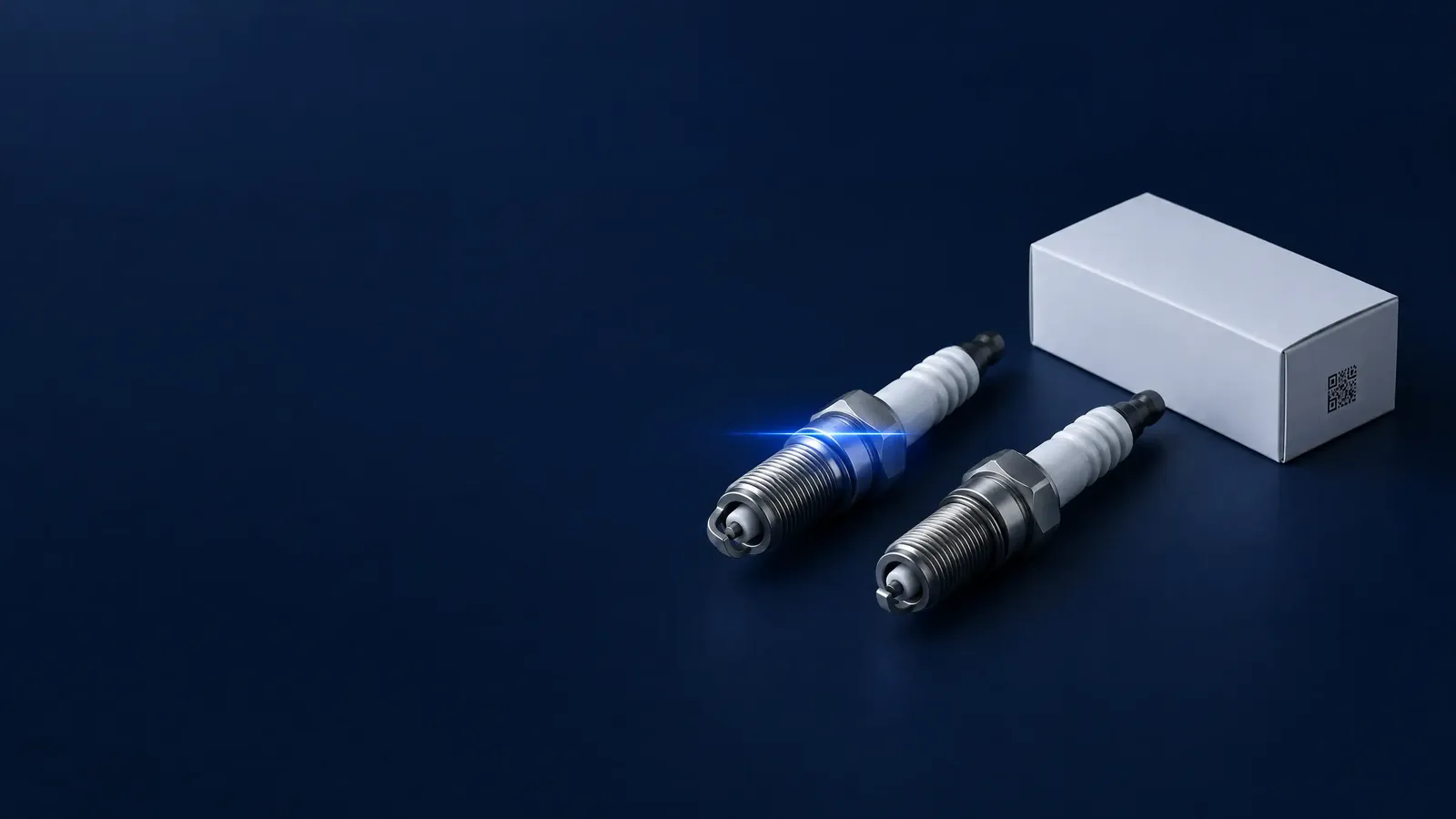
Brake pads, filters and ignition coils arrive on the workbench in their boxes. The Grafex signature goes into the existing design of the box and part label, and the mechanic scans the box before fitting the part.
Implementation
Grafex works a signature that cannot be seen by eye into the boxes, labels and inserts of spare part manufacturers and importers. Part numbers, barcodes and approval marks stay where they are, and the boxes are printed on the same line. Parts sellers, authorised service centres and independent mechanics scan the box with the mobile app; a box that does not carry the signature does not get a genuine result. Scans are stored with date and location, and the dashboard shows which trade districts copy boxes cluster in.
In the automotive sector, fakes also appear in the spare parts market; EUIPO's 2020 report lists replacement car parts and bearings among counterfeit goods. The part arrives on the bench in its box, and the mechanic usually decides by looking at the box print, hologram and label. Competition rules accept that for warranty repairs the vehicle supplier may require original parts supplied by itself. That makes recording the part's box at an authorised service centre worthwhile.
Request a meeting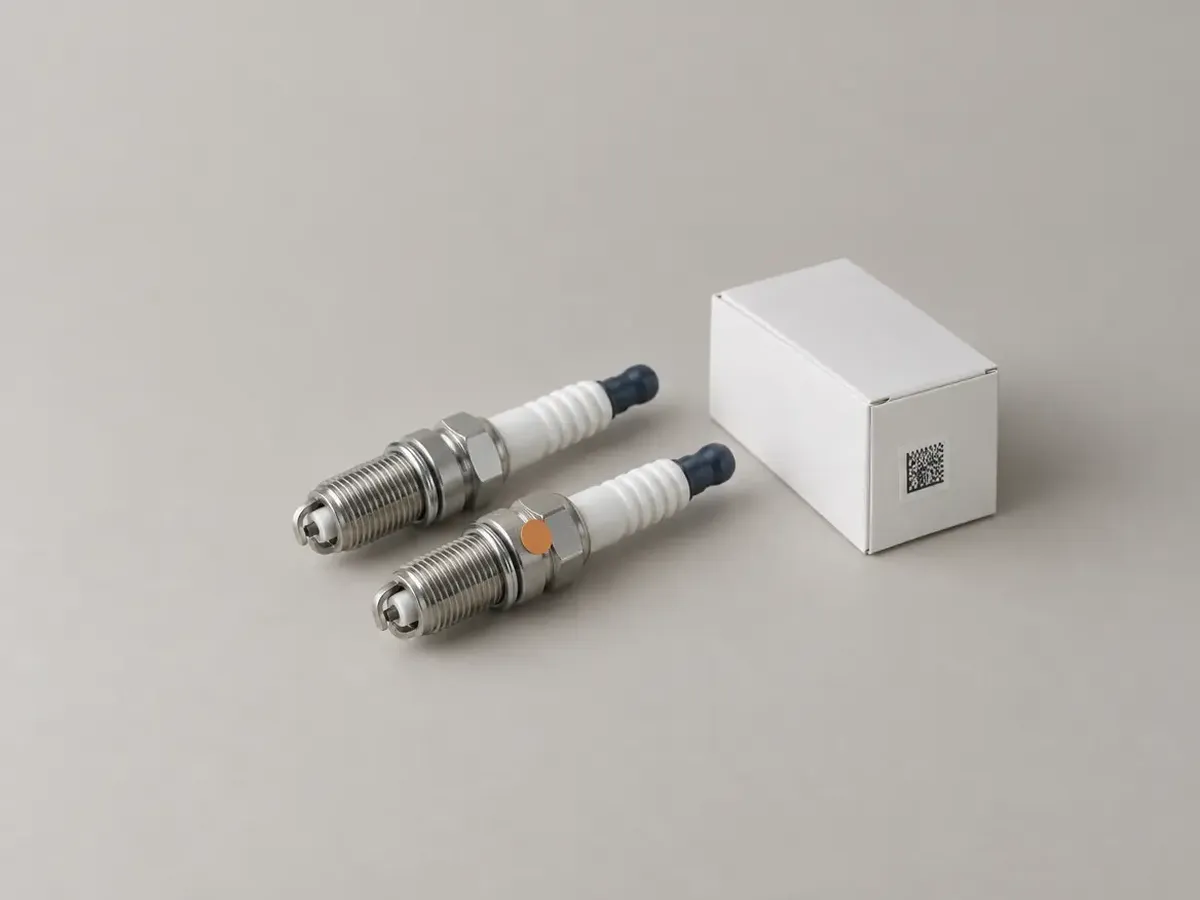
Risks
Brake pads or steering parts are sold in a copy of a well-known brand's box. When the box looks right, the mechanic fits the part without question.
For warranty repairs the vehicle supplier can require original parts. The service centre needs to show that the part came out of the manufacturer's box.
A parts seller buying from several sources may have genuine and copy boxes side by side on the shelf, often without realising it.
A car owner who bought a part online brings it to the mechanic. Scanning the box gives the decision to fit it or not a record to rest on.
Example scenario
Part box, label and insert files are reviewed. The signature is placed without touching part numbers, barcodes or approval marks.
Boxes are printed by the current supplier, and the part packing line does not change.
The parts seller scans incoming cases and the mechanic scans the box of the part about to be fitted. A box that does not come back genuine is set aside before the part goes on the car.
At an authorised service centre the scan result is added to the job card. The regional sales team follows the trade districts where suspicious scans gather in the dashboard.
Regulation
The Competition Board's communiqué defines original spare parts as parts of the same quality as those used to assemble the vehicle and made to the vehicle manufacturer's specifications. It also states that for warranty repairs, free servicing and recalls, the vehicle supplier may require the use of original parts it supplies. A Grafex scan records that the box of the part used in the workshop is the manufacturer's print.
This section is for information only; official sources prevail for current obligations.
FAQ
If the box carries a Grafex signature, a scan with the mobile app is enough; a box that does not carry the signature does not get a genuine result. Checking the hologram and label by eye is often not enough to catch a good copy.
The box is genuine, so the scan comes back genuine. Where this risk exists, the scan should be combined with checks on the box seal and the markings on the part itself.
No. The app on the mechanic's own phone is enough, and scanning needs no permission.
Yes. Any manufacturer selling parts under its own brand can have the signature built into its box. The scan shows whether that brand's box is genuine.
Every scan is stored with date, location and result and can be reported. What weight the record carries in a dispute depends on the circumstances.
Other industries
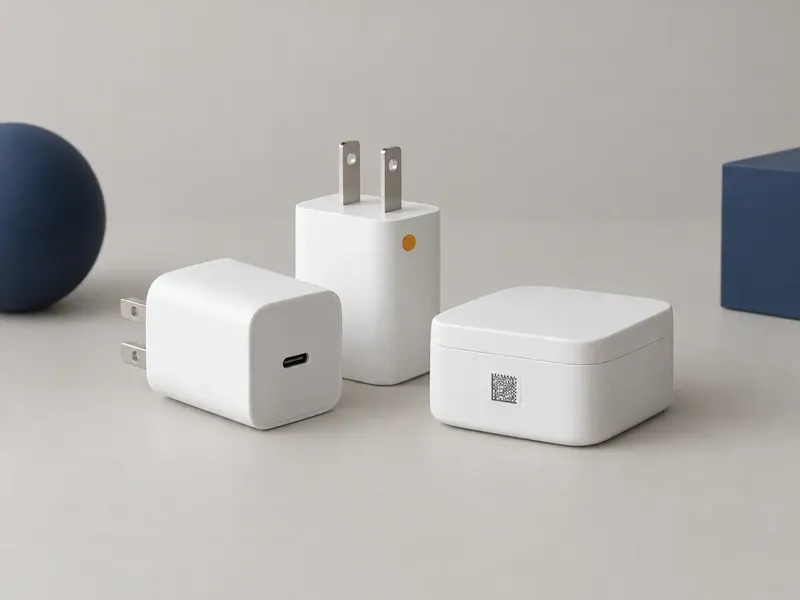 ElectronicsAn invisible signature on device boxes, chargers and accessory packs; service centres and buyers verify.
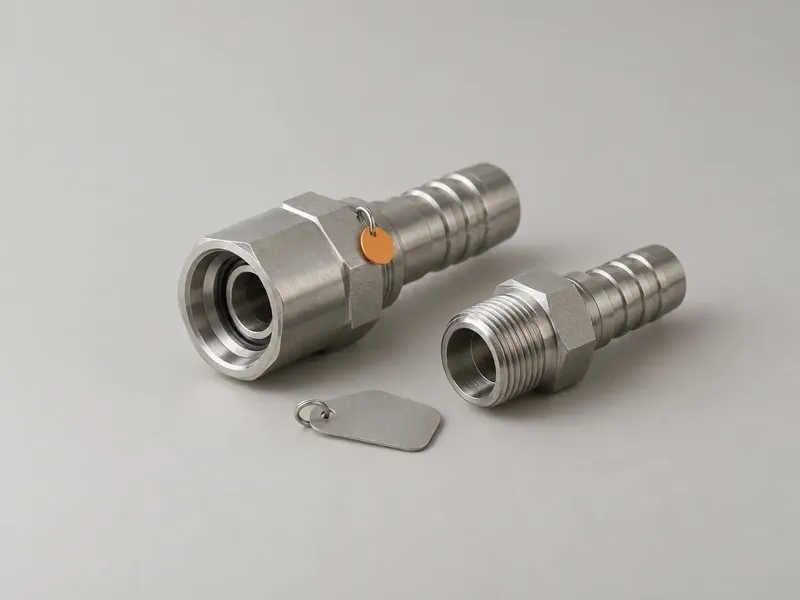 Industrial equipmentAn invisible signature on consumables, filter and spare part packs; stores and maintenance teams verify.
 Luxury goodsAn invisible signature on boxes, product cards and warranty cards; advisers and buyers scan by phone.
Meeting request
The first meeting reviews your product, sales channels and the risks you face, and recommends a suitable method.
Request a meeting