Cartons printed to match
Perfume and dermocosmetic cartons can be printed very close to the original, foil and embossing included. Store staff stacking the shelf cannot tell them apart by eye.


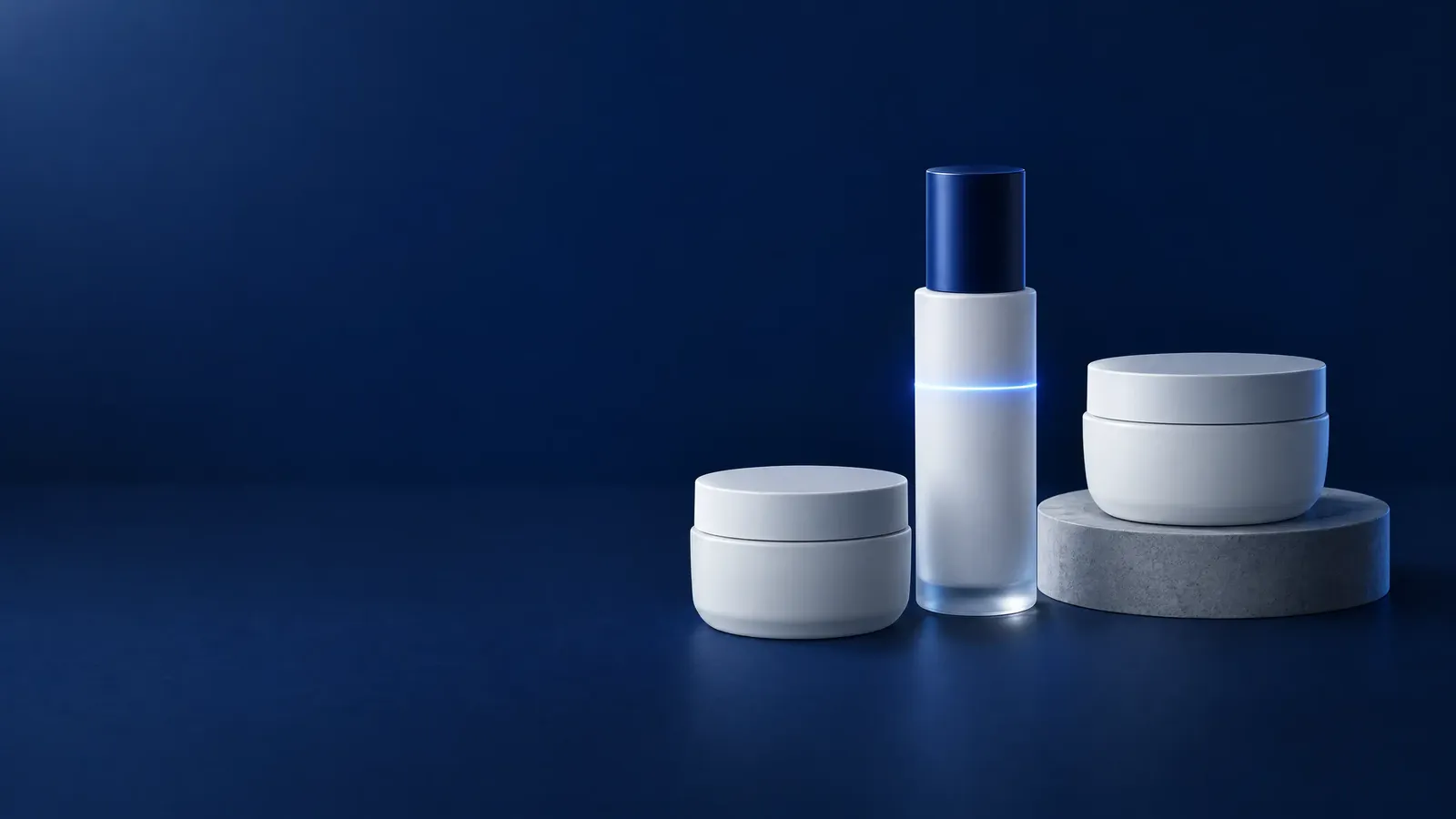
Perfume cartons, serum bottles and shampoo labels keep their current design. The signature inside it is read at the shelf or by the customer opening a delivery.
Implementation
Grafex works a signature that cannot be seen by eye into a cosmetic product's carton, tube or bottle label. Colours, foil and layout stay the same, and the packaging supplier keeps printing on the same line. A carton that does not carry the signature, however carefully it is printed, does not get a genuine result in the mobile app. Store managers, pharmacy staff, distributors and customers all run the same check with the same app.
In cosmetics, counterfeiting is often finished off with the packaging. EU customs and internal market reports show unbranded goods being assembled with fake cartons and labels after arrival, and packaging material has ranked near the top of detained categories for years. In perfume and skincare the carton is part of the buying decision, and customers often judge a product by its pack alone. When the product comes from a marketplace or a social media seller, that judgement happens while opening the parcel, with no store assistant nearby.
Request a meeting
Data
Share of sales lost by the EU cosmetics and personal care sector to counterfeiting (annual average 2013-2017, EUR 9.6 billion)
Source: EUIPO, 2020 Status Report on IPR Infringement, 2020, Table 1Share of other body care items among counterfeit goods detained at the EU border in 2024 (second place)
Source: European Commission and EUIPO, EU enforcement of intellectual property rights 2024, September 2025Risks
Perfume and dermocosmetic cartons can be printed very close to the original, foil and embossing included. Store staff stacking the shelf cannot tell them apart by eye.
Fake labels and empty cartons can travel apart from the product and be put together with unbranded bottles in the destination country. When the carton looks right, nobody asks about what is inside.
When a distributor's case is opened, products are checked by appearance and barcode. A barcode reads just as well on a copied carton.
A customer who orders from a marketplace and has no way to confirm a suspicion takes the complaint straight to the brand and to product reviews.
Example scenario
Carton, tube and label files and printed samples are reviewed. The position and form of the signature are set according to the printing method and material.
The signed file goes to the packaging supplier and the cartons are printed on the usual line. Samples from the first run are scanned to check the result.
The store manager scans a few random cartons from a new case. A result that does not come back genuine is reported to the quality team before the case reaches the shelf.
When the parcel arrives the customer scans the carton with the brand's app. These scans show in the dashboard which cities and channels suspicious results cluster in.
Regulation
Before a cosmetic product is placed on the Turkish market for the first time, the responsible person notifies it through ÜTS with the original label and an image of the packaging, and later changes must also be notified. The Grafex signature does not change how the pack looks and does not replace the ÜTS notification.
This section is for information only; official sources prevail for current obligations.
FAQ
Spelling mistakes, colour shade and the quality of the cellophane give clues, but on a well-printed copy they are often not enough. If the box carries a Grafex signature, a scan with the mobile app shows directly whether it is the brand's own print.
No. The signature sits inside the existing design where the eye cannot see it, and colours, logo and layout stay the same. No code, label or hologram is added to the pack.
The signature is prepared separately for tubes, bottle labels and cartons according to the printing method and material. Which packs are suitable is decided during the needs analysis using sample packaging.
No. A scan shows whether the packaging is the brand's own print. If a different product may have been put into a genuine box, laboratory analysis is needed.
Verification can run in an app published under the brand's name. If the brand already has a mobile app, verification is added to it with the SDK.
Other industries
 Luxury goodsAn invisible signature on boxes, product cards and warranty cards; advisers and buyers scan by phone.
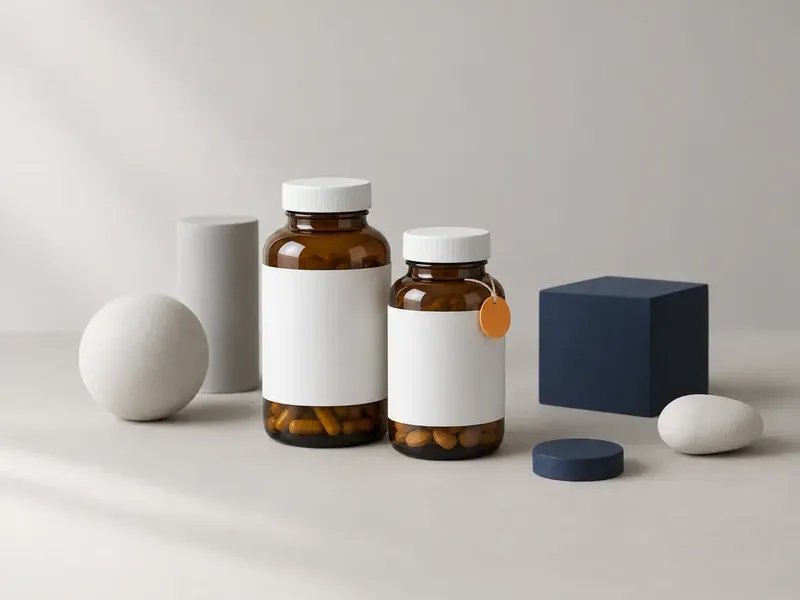 Food supplementsAn invisible signature on supplement cartons and bottle labels; pharmacists and buyers verify by phone.
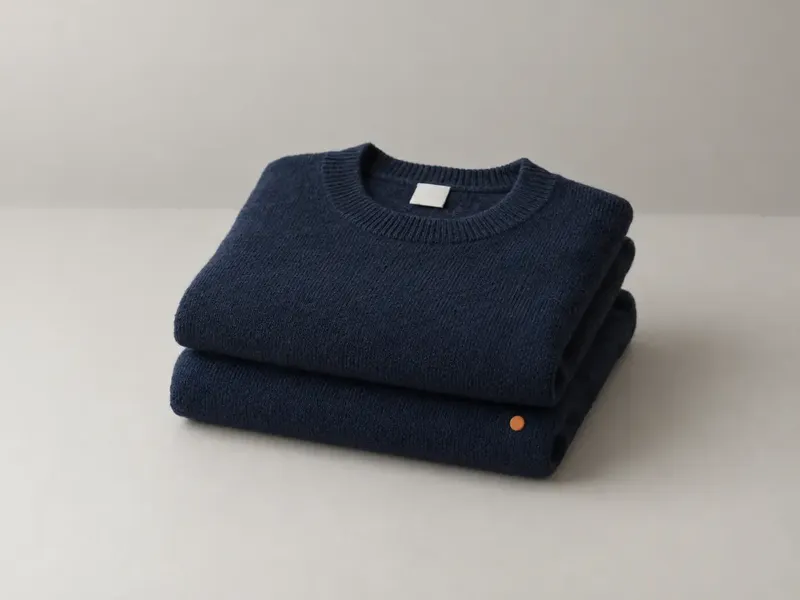 Textile and apparelAn invisible signature on swing tags, printed labels and shoe boxes; stores and buyers verify by phone.
Meeting request
The first meeting reviews your product, sales channels and the risks you face, and recommends a suitable method.
Request a meeting