Box and card sets sold separately
Boxes, dust bags, ribbons and warranty cards are also sold as separate sets. A genuine-looking set lets a copy sell on the resale market at close to the original price.



With luxury goods, the box, authenticity card and warranty card are part of the sale and are asked for on resale. The Grafex signature goes into the existing design of these printed pieces.
Implementation
Grafex places a signature that cannot be seen by eye in the box, warranty card and product tag of a handbag, watch, eyewear or fragrance brand. Colours, embossing and foil do not change, and the box is printed by the same supplier on the same line. A sales adviser taking in a repair, a brand representative inspecting goods at customs and a resale buyer before paying can all scan the card with a phone. A box or card that does not carry the signature does not get a genuine result.
At the luxury end, a fake may be cheap but its box and card are printed very close to the original. On resale platforms buyers often judge a product from the seller's photos, the box and the card. At customs decisions are made quickly; in Turkey, where there is clear evidence, goods can be detained ex officio for three working days so that the right holder can file a valid application. A brand representative who can scan a suspect box on the spot can base that quick decision on a record.
Request a meeting
Data
Share of IP detention procedures at the EU border in 2024 that ended with the goods found to be genuine
Source: European Commission and EUIPO, EU enforcement of intellectual property rights 2024, September 2025Combined share of clothing accessories, watches, recorded media and bags in the estimated value of counterfeit goods detained in the EU in 2013-2017
Source: EUIPO, 2020 Status Report on IPR Infringement, 2020Risks
Boxes, dust bags, ribbons and warranty cards are also sold as separate sets. A genuine-looking set lets a copy sell on the resale market at close to the original price.
On resale platforms buyers rely on the seller's photos of the box and card. Even with the card in hand, a visual check is not enough to catch a good copy.
When customs detains suspect goods, the right holder has to file an application within a short time. A representative who can scan the goods on the spot can assess them without waiting for a sample to be sent to head office.
The box and card of an item brought in for repair or return may be copies. The sales adviser scans in front of the customer and the result is recorded.
Example scenario
The pieces that will carry the signature are chosen from the box, warranty card, certificate and product tag. Embossing, foil and special papers are assessed together with the printing method.
Signed files go to the box and card supplier. Printing runs on the existing line and samples from the first run are scanned.
The sales adviser scans the card when opening new-season cases and when accepting an item for repair. The result appears on the phone where the customer can see it too.
A brand representative inspecting detained goods scans the box and card, and the result is recorded with date and location. A resale buyer can run the same scan before buying.
Regulation
Under Article 57 of the Customs Law and Articles 100-111 of the Customs Regulation, right holders apply electronically for infringing goods to be detained; where there is clear evidence, customs can detain goods ex officio for three working days so that the right holder can file a valid application. The legal definition of counterfeit goods includes their packaging. A Grafex scan produces a record the right holder can rely on when giving its view on detained goods.
In the EU, right holders ask customs to detain suspect goods through an Application for Action; since 3 October 2024 these applications have to be filed electronically through the IP Enforcement Portal or the national portals of Germany and Spain. A Grafex scan ties the assessment of the representative inspecting the goods to a dated record.
This section is for information only; official sources prevail for current obligations.
FAQ
If the box or card carries a Grafex signature, scan it with the mobile app and the result appears immediately. Boxes and cards that do not carry the signature do not get a genuine result.
A scan shows the card or box is the brand's own print. A genuine card can be put with a fake product, so for high-value purchases the item itself should also be examined at an authorised point.
No. The signature sits inside the existing design where the eye cannot see it, and colour, texture, embossing and logo placement stay the same.
Yes. Verification can be offered as an app published under the brand's name or added to the brand's existing app with the SDK. Records are passed to ERP and other business systems through the API.
The representative can scan the box and card of detained goods with a phone, and the result is stored with date and location. The decision on whether the goods infringe is made by customs and the courts.
Other industries
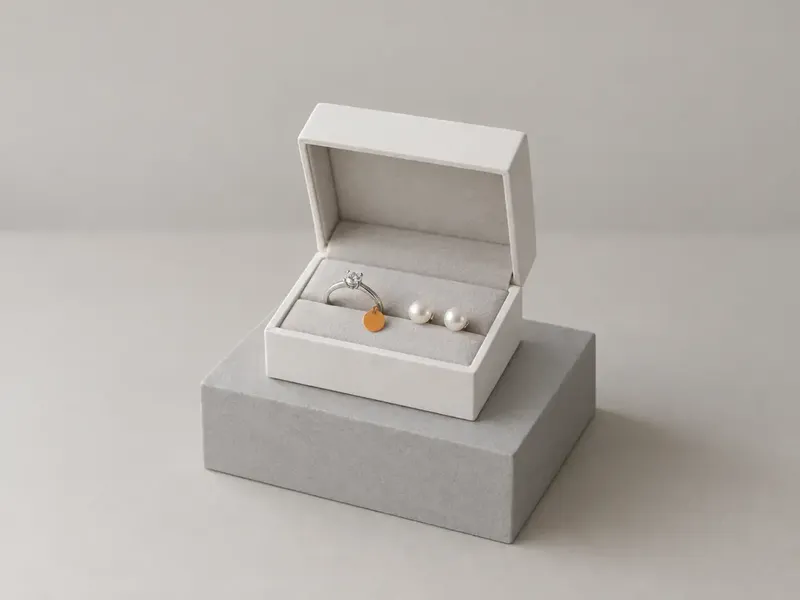 JewelleryAn invisible signature on certificates, warranty cards and jewellery boxes; buyers verify by phone.
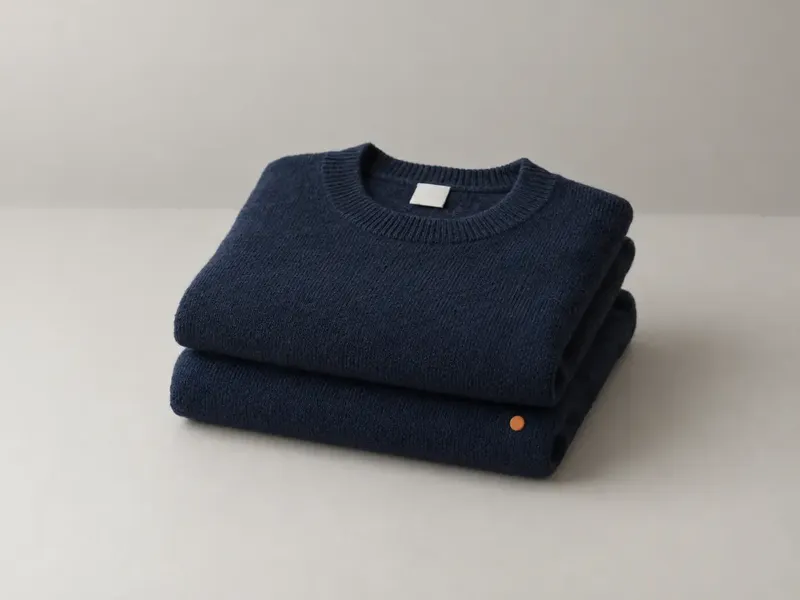 Textile and apparelAn invisible signature on swing tags, printed labels and shoe boxes; stores and buyers verify by phone.
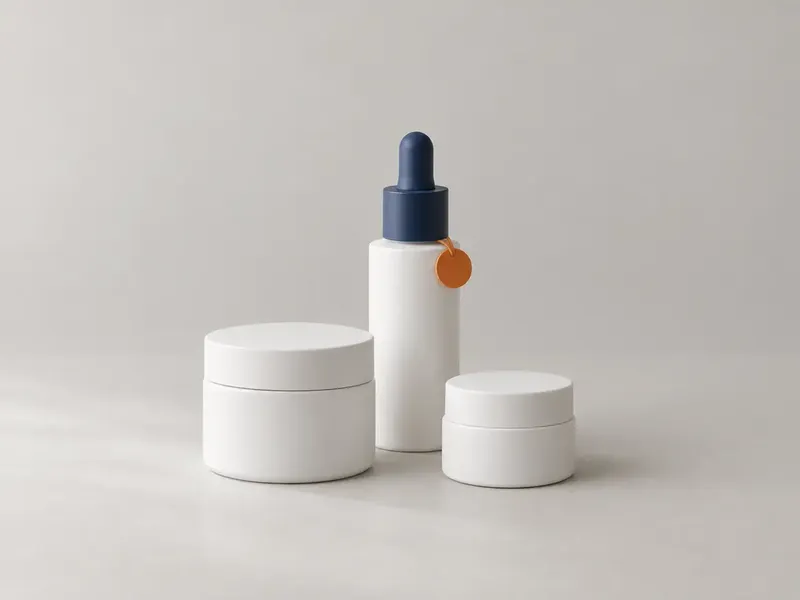 Cosmetics and personal careAn invisible signature on cartons, tubes and bottle labels; staff and shoppers check the product by phone.
Meeting request
The first meeting reviews your product, sales channels and the risks you face, and recommends a suitable method.
Request a meeting