


Blog.
Posts on packaging security, the invisible signature and field verification.
Posts
How to verify a product is genuine with a phone
What does a phone check prove, and what not? Barcodes, QR codes, serial codes and print-embedded signatures compared, with steps for consumers and brands.
Read the post
How to prevent packaging counterfeiting: overt and covert methods
Preventing copied packaging takes more than one feature: copy routes, print supply control, overt and covert methods and field checks, in six steps.
6 min read
Holograms, QR codes or invisible digital signatures?
Holograms, QR codes and invisible digital signatures do different jobs. Which fits when, by visibility, who checks, behaviour against copies and records?
6 min read
What is packaging security? Layers from tamper evidence to the signature in the print
Opened, genuine, which pack? How tamper evidence, overt, covert and forensic features, serial codes and print-level features are layered, and how to choose.
6 min read
Invisible ink or digital signature? Comparing two covert features on packaging
UV, IR and other security inks versus a print-embedded digital signature: press needs, who verifies with what, cost drivers and resistance to copying.
6 min read
How print method affects an invisible signature, and what to put in your print specification
What to check in offset, flexo, gravure and digital print, and the specification clauses for files, tolerances, trial runs, acceptance and change notices.
5 min read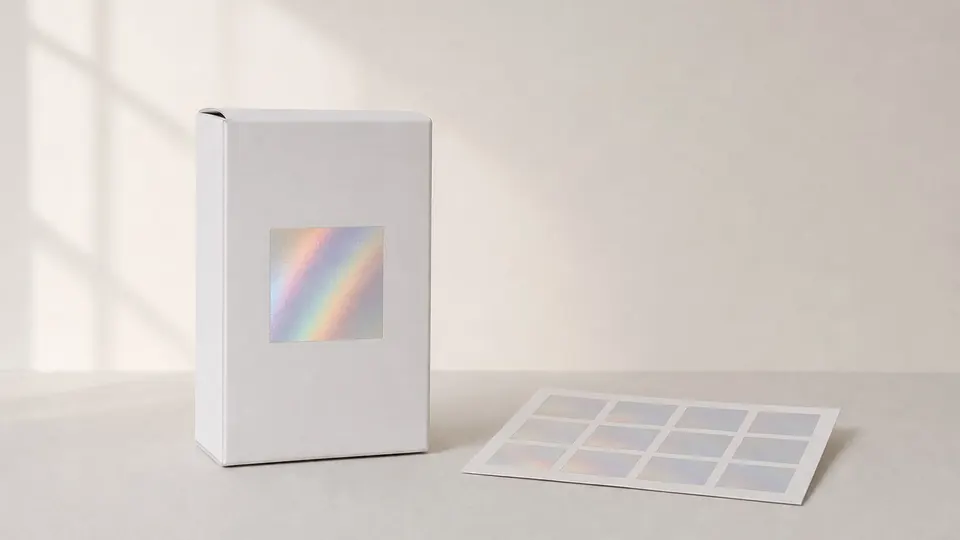
Can holograms be counterfeited? The limits of overt packaging security
Printers cannot reproduce a hologram, but it can be replicated mechanically, imitated or moved to another pack. The four routes and what to ask a supplier.
5 min read
How does a digital watermark work on packaging, compared with QR codes and holograms?
How digital watermarks work on packaging, why robust and copy-sensitive marks differ, and the question that sets them apart from QR codes and holograms.
5 min read
Copied packaging or printer overrun? How to tell which you are dealing with
Suspect packaging is either a copy printed elsewhere or an overrun from your approved file. The checks that separate them and the print records to demand.
5 min read
Can a barcode tell you whether a product is genuine?
Does a barcode starting with 869 mean the product was made in Türkiye, what do barcode lookup sites show, and why can a barcode not prove authenticity?
4 min readPackaging security features: choosing as a brand and packaging team
Holograms, security inks, tamper evidence and invisible signatures: how each affects artwork, printing and approvals, and who can actually check it.
4 min readHow to spot a fake product, and where visual checks fall short
The packaging signs that can give a fake away, why they do not count as proof, and how to get a definitive answer: a checklist for buyers and field teams.
4 min read
What to do when you find a suspicious product in the field
Steps to follow with a suspicious product in the field: scanning, recording, sampling and reporting, so the finding reaches the decision-maker as a file.
3 min read
How to add protection without touching your packaging
How an invisible signature enters the existing design file and print step: pilot run, print tolerances, changes of printer and who does the scanning.
3 min readMeeting request
The right signature method for your packaging is set through a needs analysis.
The first meeting reviews your product, sales channels and the risks you face, and recommends a suitable method.
Request a meeting