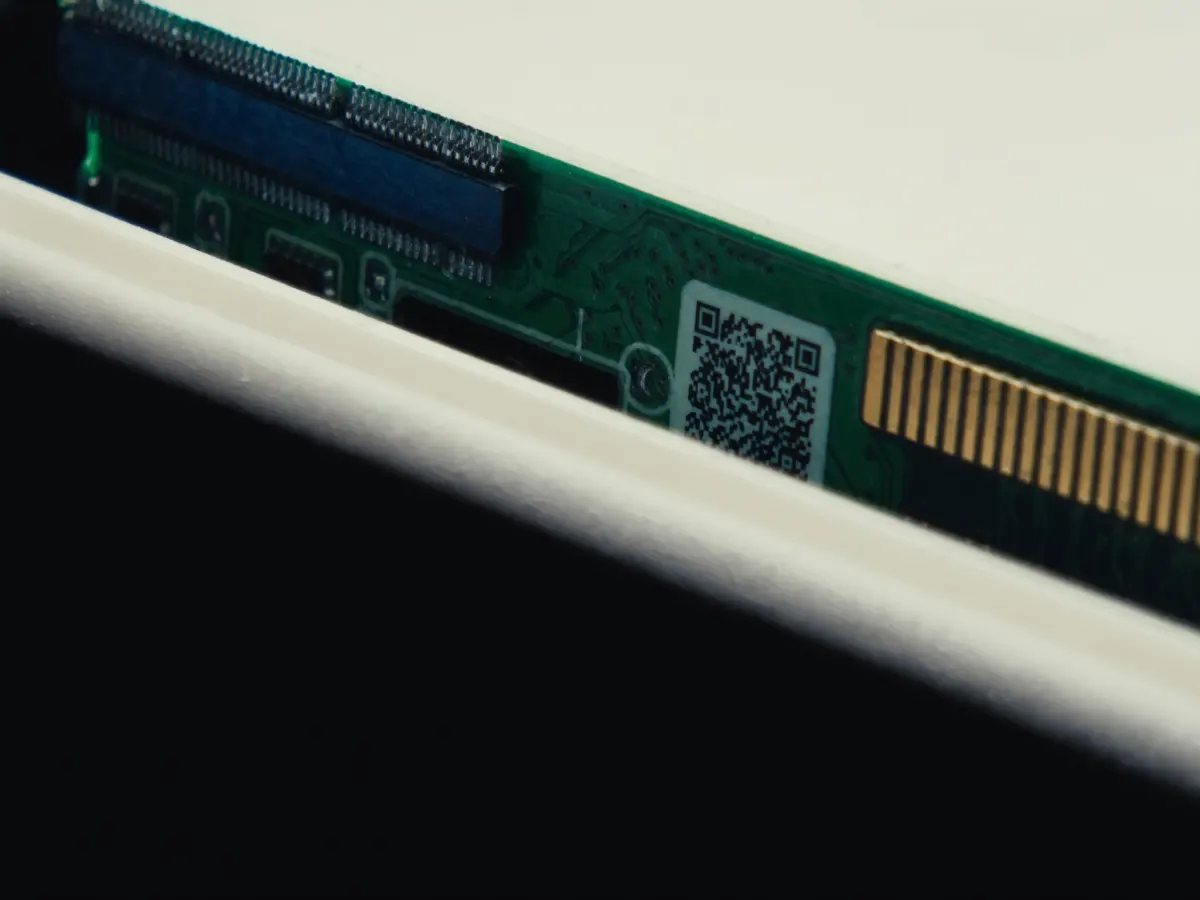
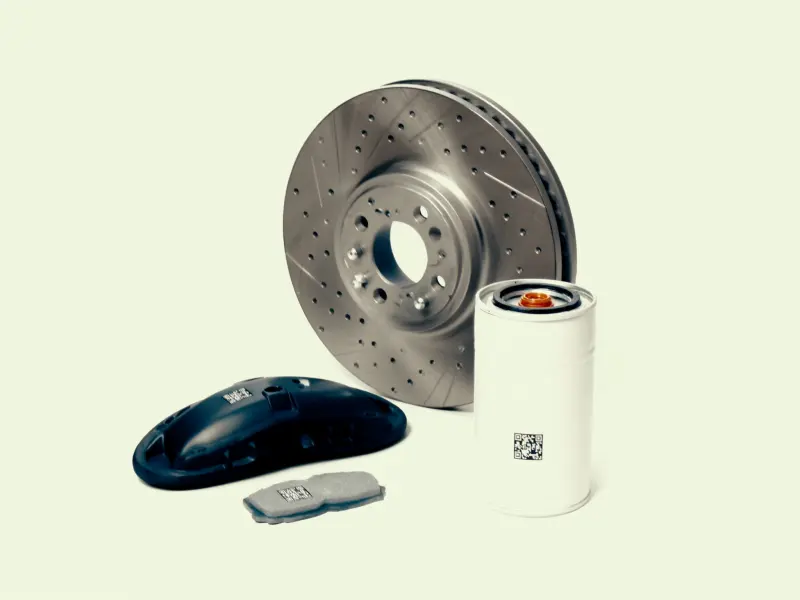
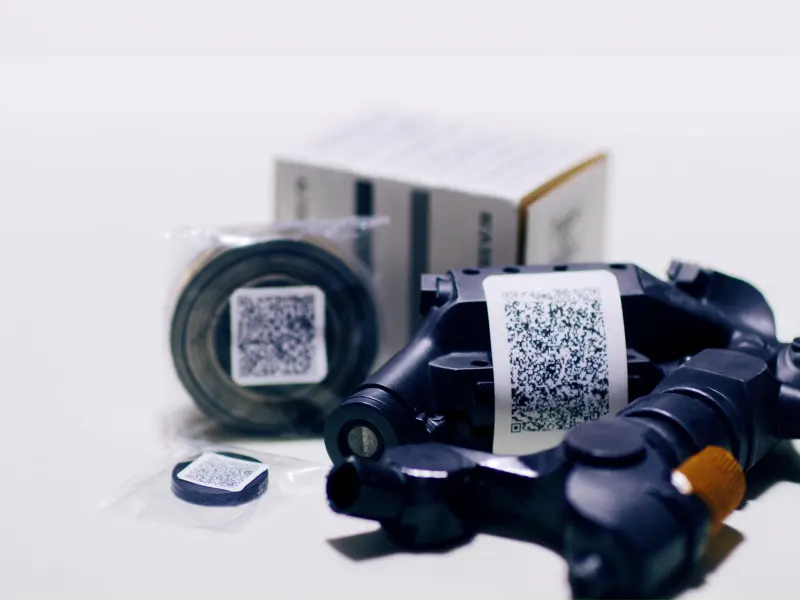
Assurance of genuine parts in electronics.

In devices, accessories and spare parts, counterfeits carry both a safety and a warranty risk.

Implementation

Grafex in electronics.

Grafex places a signature into the existing design of the device box, accessory packaging and warranty document that is invisible and whose copy cannot pass verification. Printing happens on your existing packaging line; the look of the box and the line layout do not change. A dealer, a customer or a service technician can scan the packaging with the mobile app and confirm its authenticity.

Counterfeiting in electronics is not limited to finished devices such as phones and tablets; chargers, batteries, screens and electronic components are frequently copied too. In these products a counterfeit part can cause safety risks such as overheating, fire and electric shock, beyond any loss of performance. Not being able to tell a genuine product from a counterfeit in warranty and service processes raises costs for both the manufacturer and the authorised service, and weakens the trust built with the customer.

Request a meeting

Data

The scale of counterfeit risk.

€4.2 billion

Sales lost in the EU to counterfeit smartphones (2015, 8.3% of sector sales)

Source: EUIPO, The Economic Cost of IPR Infringement in the Smartphones Sector, 2017
12.9%

Impact of counterfeiting on smartphone sales worldwide (2015, €45.3 billion)

Source: EUIPO, The Economic Cost of IPR Infringement in the Smartphones Sector, 2017
66%

Share of post or express consignments in seizures of counterfeit information and communication technology devices

Source: EUIPO, 2020 Status Report on IPR Infringement (citing the OECD-EUIPO small parcels study), 2020

Risks

Risks in electronics.

Counterfeit batteries and chargers

Counterfeit batteries and chargers may lack the necessary protection circuits and carry a risk of overheating. When a user buys these believing them to be genuine accessories, the resulting harm reflects on the brand's reputation too.

Part substitution in the service network

Spare parts such as screens, batteries and boards can be replaced during repair with counterfeit or non-standard equivalents. When it is not known which channel a part came from, assessing warranty claims and establishing responsibility becomes difficult.

Copies presented as refurbished

Used or copied devices can be packaged as refurbished or new and sold through online channels. When the device identity and the packaging cannot be relied on, the buyer does not know what they are buying.

Small consignments and marketplace listings

In electronic devices and accessories, counterfeits often circulate through post and express consignments and marketplace listings. Because the listings use the brand's own product images, it becomes hard for the consumer to tell the difference.

Regulation

Regulations relevant to traceability.

EU

Battery Regulation (EU) 2023/1542, battery passport

From 18 February 2027 all batteries will be marked with a QR code; for light means of transport batteries, industrial batteries above 2 kWh and electric vehicle batteries, that code will give access to an electronic record containing information specific to the battery model and to the individual battery, that is, the battery passport. Individual product identity and record infrastructure can support this preparation.

Official source
EU

General Product Safety Regulation (EU) 2023/988

Applying since 13 December 2024, the regulation requires products to carry identifiers such as a type, batch or serial number and supply chain information to be available on request for 6 years. Online marketplaces are also obliged not to publish listings that lack minimum safety and traceability information.

Official source
TR

BTK Central Device Registration System (IMEI registration)

Devices with an IMEI number brought in from abroad are blocked from the network if they are not registered within 120 days; devices whose IMEI has been altered (cloned) are also blocked. The system is a local example of how a copied device identity can be detected through records.

Official source
TR

Product Safety and Technical Regulations Law No. 7223

In force since 12 March 2021, the law requires actors in the supply chain to keep a record of whom they bought a product from and whom they sold it to, covers product safety oversight in e-commerce as well, and makes the recall of unsafe products compulsory. Records of changes of hands at product level can support preparation for these obligations.

Official source

This section is for information only; official sources prevail for current obligations.

FAQ

Questions about electronics

Do service technicians need a special device?

No. Verification happens with the mobile app on a smartphone. Authorised service, dealers and customers can all use the same method; no separate reader device is needed.

Should numbering be at unit level or batch level?

For high-value devices, unit-level numbering lets every device be tracked individually. For high-volume products such as cables, small accessories or spare parts, batch level may be preferred; the choice is made according to the product's value and risk level.

Meeting request

The right signature method for your packaging is set through a needs analysis.

The first meeting reviews your product, sales channels and the risks you face, and recommends a suitable method.

Request a meeting